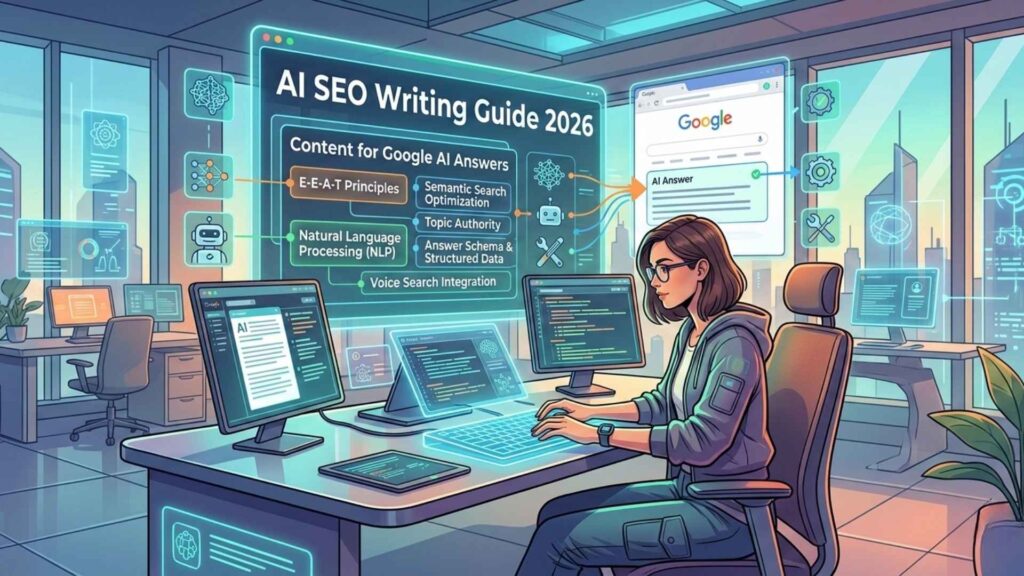
How to Write Content for Google AI Answers (Complete SEO Guide 2026)
Google AI Overviews are AI-generated summaries at the top of search results that quickly answer complex questions by synthesizing information from multiple sources. They are designed to save time, providing key information, step-by-step guides, or comparisons with links to explore further. They are integrated into Search, not a separate app.
AItoolmind is a powerful platform that shares the latest AI tools, SEO strategies, and digital marketing tips.
Explore detailed guides, tutorials, and updates to grow your online business smarter.
Search engine optimization is rapidly evolving with artificial intelligence transforming how users find information online. Google no longer relies only on traditional rankings. Instead, it now provides AI-generated summaries through features like Google AI Overview.
AI SEO and Traditional SEO focuses on optimizing for conversational, intent-driven, long-tail queries and AI-generated answers (like ChatGPT/Perplexity), shifting from page-level keywords to entity/topic authority. Traditional SEO relies on keyword-driven, page-level ranking on search engines. AI SEO uses, or competes in, AI Overviews for better visibilit
Because of this shift, bloggers and website owners must learn a new skill: writing content specifically designed for AI answers.
This guide explains how to write content for Google AI answers, helping your articles become trusted sources selected by AI-powered search systems.
Before continuing, you should understand the foundation of AI search explained in our Google AI Overview SEO Guide.
According to Google Search Central, helpful and people-first content is essential for modern search rankings.
In this guide, we will explain how to write content for Google AI answers so your articles can appear in AI-powered search results.
What Are Google AI Answers?
Google AI Answers are AI-generated summaries that appear at the top of search results. Instead of showing only links, Google analyzes multiple trusted websites and provides a summarized response.
AI systems extract information from structured, clear, and helpful content.
Websites included as sources gain strong visibility and authority.
Why Writing Style Matters in AI Search
Traditional blogging focused on keywords.
AI search focuses on:
clarity
structure
helpful explanations
user intent
AI prefers content that directly solves problems.
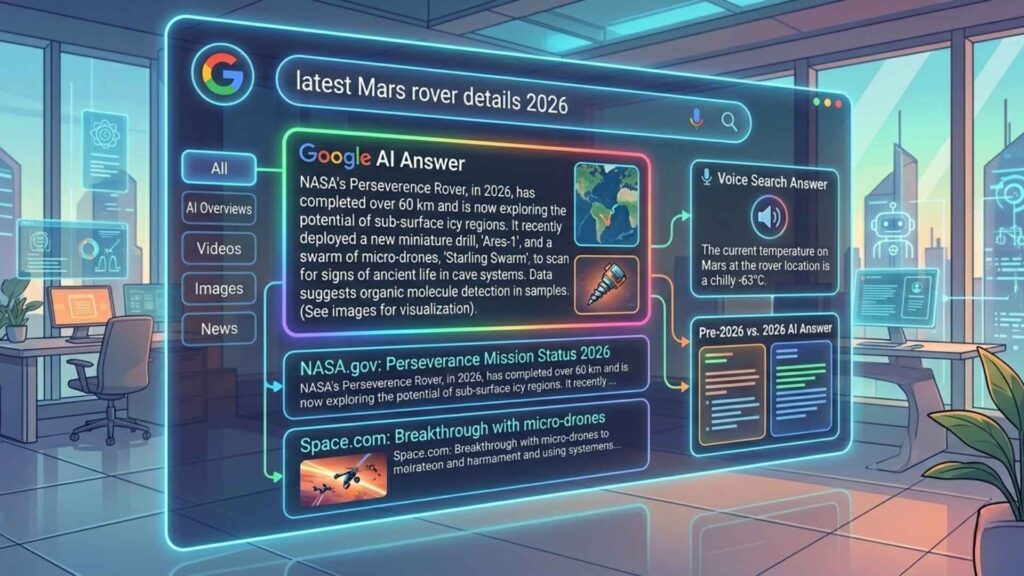
According to SEO experts at Search Engine Journal, AI-powered search engines are changing the way content is ranked and displayed in search results. In the past, traditional search mainly focused on keywords, backlinks, and basic on-page optimization. However, modern AI-driven search systems are much smarter. They try to understand the real meaning behind a user’s query, not just the exact words typed into the search box. This means search engines now analyze context, intent, and the overall usefulness of the content before deciding which pages should appear at the top.
Experts explain that structured content plays a very important role in this new AI search environment. Structured content means information that is organized clearly with proper headings, subheadings, bullet points, short paragraphs, and logical formatting. When your article is well-structured, AI systems can easily scan and understand the key points. This improves the chances of your content being selected for featured snippets, AI overviews, or direct answers in search results.
Understanding how to write content for Google AI answers is becoming one of the most important SEO skills in 2026.
How to Optimize for Google AI Answers in Search Results (Step-by-Step Guide)
If you want your content to appear in Google AI answers, you must understand how AI selects information. First, focus on understanding search intent — what users are really looking for. Second, use clear question-based headings so AI can easily identify answers. Third, write short and direct definitions that give clear value quickly. AI prefers simple, structured, and helpful content. When you follow these three steps, your chances of appearing in Google AI results increase. This strategy helps improve visibility, traffic, and authority in search.
Bloggers who learn how to write content for Google AI answers can gain higher visibility in modern AI search experiences.
Step 1 — Understand Search Intent
Before writing, identify user intent:
informational
comparison
tutorial
problem solving
Example:
Bad Topic: AI tools
Good Topic: Best AI tools for beginners in 2026
Intent clarity increases AI selection chances.
Step 2 — Use Question Based Headings
AI models prefer question formats.
Examples:
What is AI SEO?
How does AI search work?
Why is AI SEO important?
Questions help AI extract answers easily.
AI SEO content writing
Google AI Overview content strategy
Step 3 — Write Direct Definitions
Every major heading should include a short definition.
Example:
AI SEO is the process of optimizing content so AI-powered search engines can understand and summarize information effectively.
This increases featured answer probability.
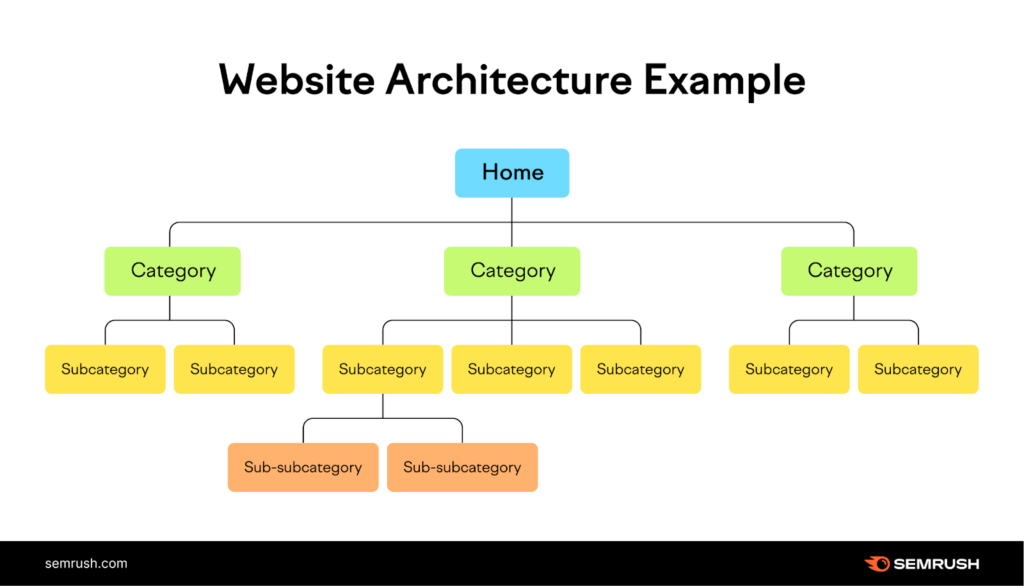
Step 4 — Structure Content for AI Understanding
Ideal structure:
Introduction
Definition
Explanation
Steps
Examples
FAQs
Summary
AI reads structured knowledge faster.
Step 5 — Create Topic Clusters
AI trusts websites that cover topics deeply.
Your system:
Pillar Article
↓
Cluster Articles
↓
Supporting Tutorials
Example cluster already on aitoolmind:
Google AI Overview Guide
AI SEO vs Traditional SEO
AI Content Writing Guide (this article)
Step 6 — Use Simple Human Language
AI prefers:
✅ simple sentences
✅ beginner explanations
✅ natural tone
Avoid complicated academic writing.
AI SEO writing guide
content for AI search results
AI SEO 2026

A strong internal linking strategy supports how to write content for Google AI answers and improves topical authority.
As AI-powered search continues to evolve in 2026, marketers must adopt frameworks such as Generative Engine Optimization (GEO) to remain visible.
Step 7 — Add FAQ Sections
FAQ sections are powerful because AI systems frequently pull answers from them.
Example FAQs:
What is AI SEO writing?
How does Google AI select content?
Can beginners rank in AI search?
Step 8 — Optimize Paragraph Length
Best practice:
2–3 line paragraphs
bullet lists
tables
highlighted definitions
This improves AI readability.
Step 9 — Internal Linking Strategy
Every article should:
link to pillar guide
link to related clusters
connect knowledge together
This builds topical authority.
Step 10 — Write Experience Based Content
Google favors real insights.
Add:
tutorials
examples
personal explanation
actionable advice

Common Mistakes to Avoid
❌ Keyword stuffing
❌ Random topics
❌ Short articles
❌ No internal links
❌ AI copy without editing
Future of AI Content Writing
Between 2026 and 2030, search will become conversational and personalized.
Successful bloggers will:
educate users
build authority
publish structured tutorials
maintain content quality
FAQs
Can AI-generated content rank?
Yes, but human editing and expertise are essential.
Do keywords still matter?
Yes, but intent and context matter more.
How long should AI SEO articles be?
1000–3000 words perform best.
How to write content for Google AI answers effectively?
Mastering how to write content for Google AI answers will help bloggers succeed in the future of AI-driven SEO
Conclusion
Learning how to write content for Google AI answers is becoming one of the most valuable SEO skills in the AI era.
Bloggers who adapt to structured, helpful, and educational content will gain long-term visibility in AI-powered search results.
Research published by HubSpot SEO Guide highlights the growing importance of AI search optimization.
Mastering how to write content for Google AI answers will help bloggers succeed in the future of AI-driven SEO.